8.9· 47 reviews
Paraty Islands Tour
Relax on some of the best beaches in Brazil and take a dip in the crystal-clear waters on this wonderful Paraty Islands Tour. Sit back, relax and enjoy!
5 h
from US$ 24
Paraty is worth 3 to 4 days: one for the boat trip around the islands and coves, another for the historic center at an easy pace and a cachaça distillery, and another for the waterfalls in the mountains or Trindade Beach. The best window runs from June to August, with highs of 26 °C and 65 to 80 mm of rain; summer is hotter (up to 31 °C in January) and very rainy, with 280 mm over 21 days in January.
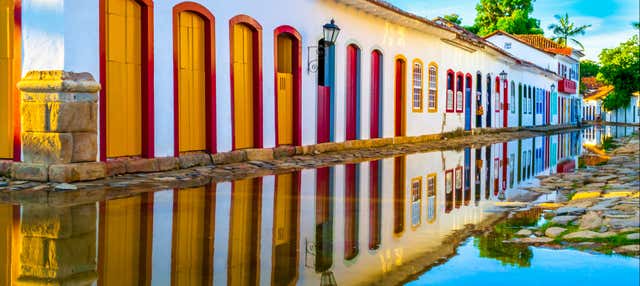
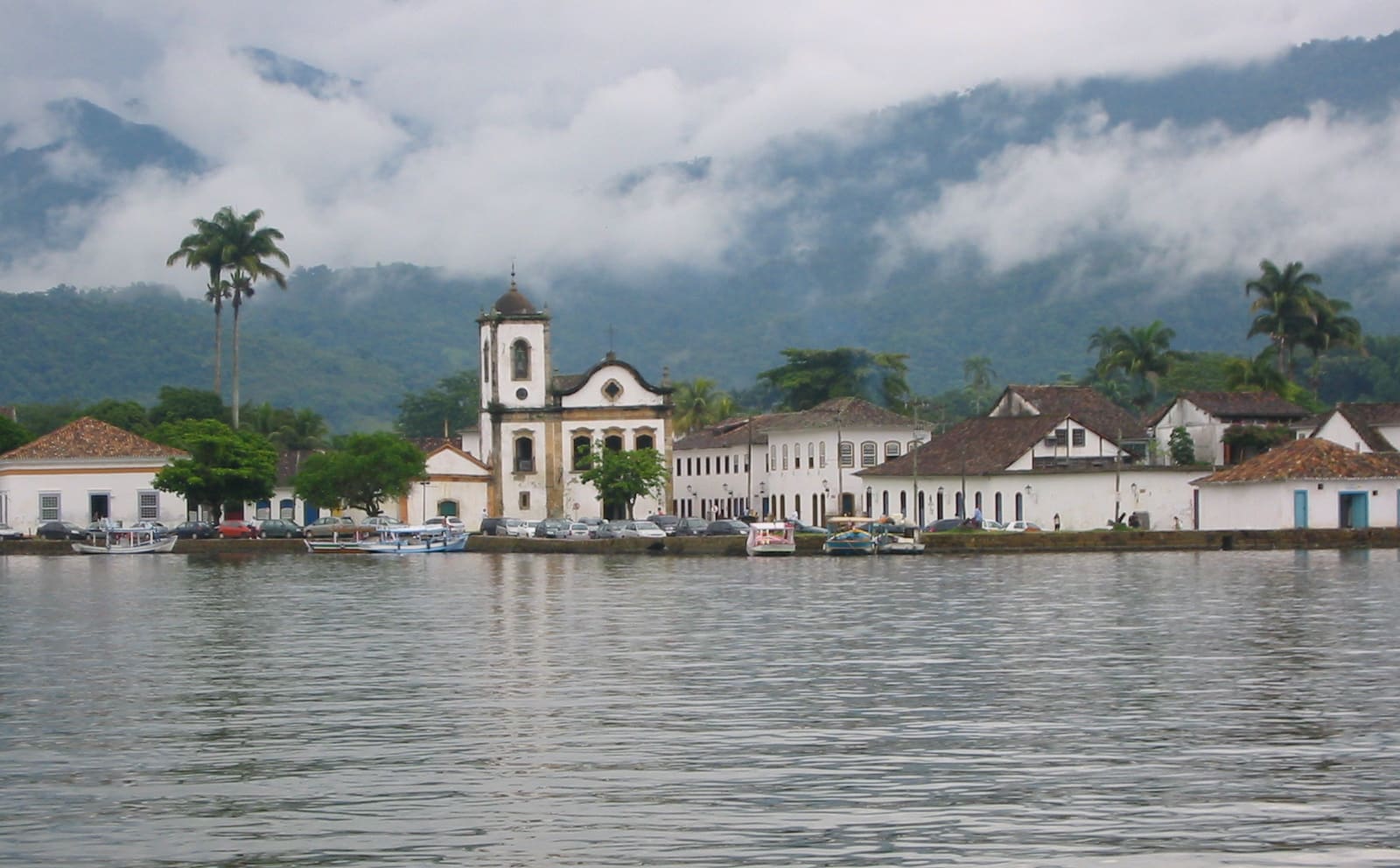
Paraty has one of the best-preserved colonial historic centers in Brazil, protected as historic heritage. The streets paved with "pé de moleque", those large, uneven stones that twist the ankles of anyone in heels, were designed so that the high tide would flow in and wash the center. The whitewashed houses, with windows and doors painted in bold colors, make the town look frozen in the 18th century, when gold from Minas Gerais came down this way on its journey to Portugal.
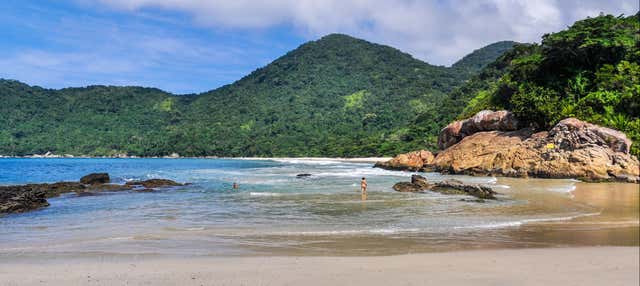
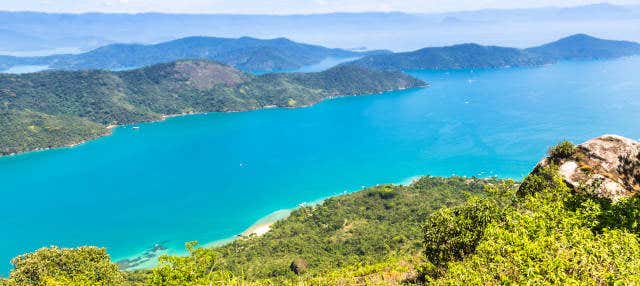
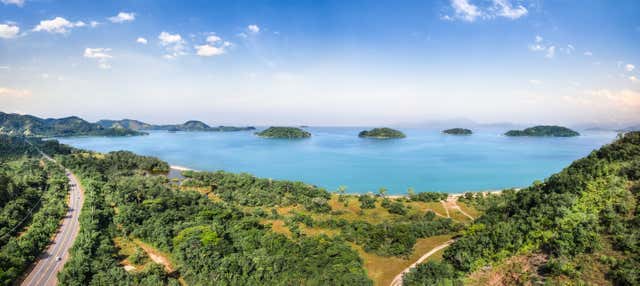
Outside the center, the charm is in the water. Paraty Bay is dotted with dozens of islands, calm-water coves and beaches reachable only by boat: schooner or motorboat trips are the must-do activity, with stops for snorkeling in green water. On the mainland, the Serra do Mar sends icy waterfalls tumbling just a few kilometers from the center, and rougher beaches such as Trindade attract anyone who prefers wide sand and surf to the calm of the bay.
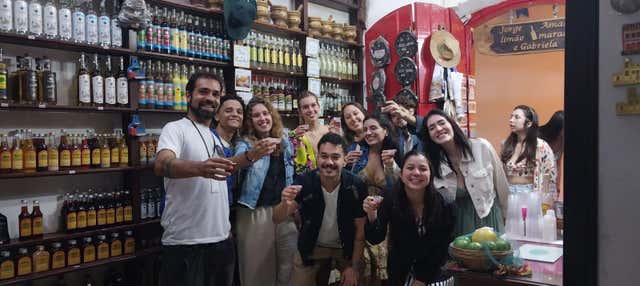
Paraty is also cachaça country (cachaça is Brazil's sugarcane spirit). The craft distilleries of the region produce some of the best in the country, and the town takes it seriously: it has its own festival devoted to the drink and to food, and UNESCO recognized it as a Creative City of Gastronomy. Between a boat trip and a dip under a waterfall, it is worth setting aside an afternoon to visit a distillery, taste cachaça aged in barrels and understand why it became a local signature.
Updated on October 19, 2026
One of the best-preserved colonial centers in Brazil, with whitewashed houses and windows and doors in bold colors. Cars are banned on the stone streets, so you explore on foot.
Large, uneven stones designed so that the high tide would flow in and wash the center. Wear closed, sturdy shoes, and check the tide table if you want to see the streets flooded.
Dozens of islands, calm-water coves and green water with stops for snorkeling. Schooner or motorboat trips are the activity that defines Paraty; private motorboats let you build your own route.
Beaches and coves reachable only by boat, schooner or water taxi.
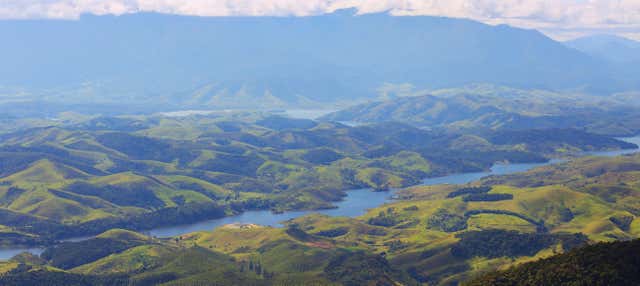
The mountains send icy waterfalls tumbling just a few kilometers from the center. Bring insect repellent and sunscreen.
A rougher beach with wide sand and surf, for anyone who prefers that to the calm of the bay.
The craft distilleries of the region produce some of the best cachaças in the country. It is worth setting aside an afternoon to visit one and taste cachaça aged in barrels.
Paraty has its own cachaça festival (in August) and a literary festival (in November or December), and UNESCO recognized it as a Creative City of Gastronomy.
Brazil is in the Southern Hemisphere, so the seasons are the reverse of those in Europe and North America: summer falls between December and March and winter between June and August. In Paraty, summer is hot, with highs of 30 to 31 °C between December and February, and winter is mild: in June, July and August, the coolest months, the average high is 26 °C and the low is 18 °C.
It rains all year. The driest months are August, with 65 mm over 6 days, July, with 75 mm over 8 days, and June, with 80 mm over 8 days. The wettest are January, with 280 mm over 21 days, December, with 250 mm over 19 days, and March, with 240 mm over 19 days.
The most favorable window runs from June to August, and August comes out as the best month of the year. These are the least rainy and coolest months, good for boat trips. Summer is lovely, but it is also high season, with occupancy at its peak. Even though winter is drier, it can still rain: always bring a raincoat or an umbrella.
| Month | High | Low | Rain | Rainy days | Rating |
|---|---|---|---|---|---|
| January | 31 °C | 24 °C | 280 mm | 21 | Not recommended |
| February | 31 °C | 24 °C | 230 mm | 18 | Not recommended |
| March | 30 °C | 23 °C | 240 mm | 19 | Not recommended |
| April | 29 °C | 21 °C | 150 mm | 14 | Fair |
| May | 27 °C | 19 °C | 110 mm | 11 | Fair |
| June | 26 °C | 18 °C | 80 mm | 8 | Good |
| July | 26 °C | 18 °C | 75 mm | 8 | Good |
| August | 26 °C | 18 °C | 65 mm | 6 | Good |
| September | 27 °C | 19 °C | 110 mm | 11 | Fair |
| October | 28 °C | 20 °C | 150 mm | 14 | Fair |
| November | 29 °C | 21 °C | 200 mm | 16 | Fair |
| December | 30 °C | 23 °C | 250 mm | 19 | Not recommended |
Monthly averages for 1991-2020 from INMET (Brazil's National Institute of Meteorology). The rating combines rainfall, temperature and humidity.
In summer (December to February), Paraty has highs of around 31 °C (88 °F) and lows of 24 °C (75 °F), and it is the wetter season, with about 253 mm of rain spread over about 19 days a month. The days are hot and call for beach time and shade.
In fall (March to May), Paraty has highs of around 29 °C (84 °F) and lows of 21 °C (70 °F), and it is the wetter season, with about 167 mm of rain spread over about 15 days a month. The days are hot and call for beach time and shade.
In winter (June to August), Paraty has highs of around 26 °C (79 °F) and lows of 18 °C (64 °F), and it is the wetter season, with about 73 mm of rain spread over about 7 days a month. Temperatures are pleasant for sightseeing all day.
In spring (September to November), Paraty has highs of around 28 °C (82 °F) and lows of 20 °C (68 °F), and it is the wetter season, with about 153 mm of rain spread over about 14 days a month. The days are hot and call for beach time and shade.
Weather, crowds, prices and what is happening at the destination in each period. Tap a month to open its full page; the colored dot shows how good the time is for a visit.
Famous for the Bloco da Lama, where revelers cover themselves in mangrove mud, along with giant puppets in the center.
A centuries-old religious tradition, with the banner of the Divine Holy Spirit, folias (traveling singers and musicians) and the crowning of the boy emperor of the festival.
A jazz, blues and soul festival with free concerts and a roving band parading through the historic center.
One of the country's biggest literary gatherings, with guest authors, panel discussions and a historic center full of readers.
A celebration of Paraty's craft cachaça (sugarcane spirit), with tastings, local food and concerts on the cobblestone streets.
Recurring annual events: exact dates change every year, so confirm them before you plan your trip.
Paraty has no commercial airport. The gateway from abroad is Tom Jobim International Airport, known as Galeão (GIG), in Rio de Janeiro, about 250 km away by road. Routes and airlines change often, so it is safest to check them when you plan your trip.
Paraty sits on the BR-101, the Rio-Santos highway: it is 250 km (about 4 h) from Rio de Janeiro and 280 km (about 5 h) from São Paulo. There is a bus station with direct services from both cities. The road is part of the trip, with the sea on one side and the rainforest on the other.
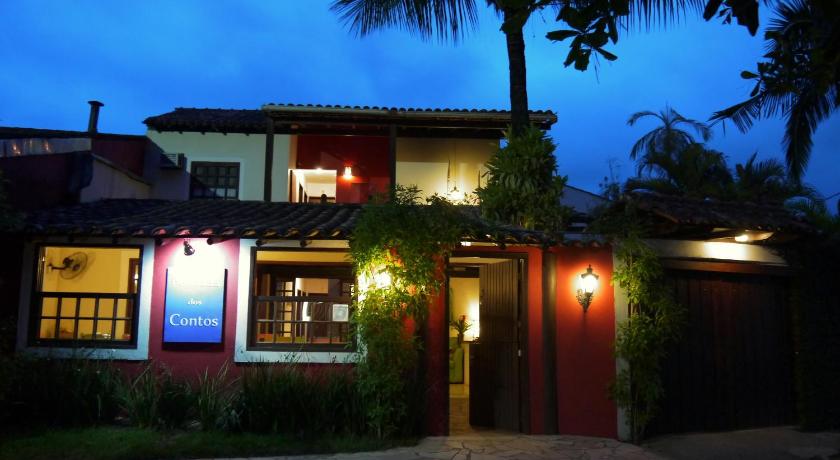
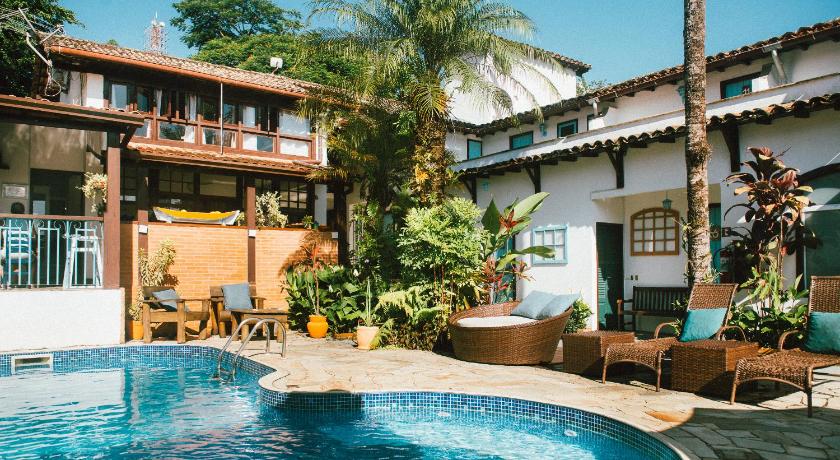
The historic center is the heart of Paraty, but cars cannot enter its stone streets: you leave the vehicle in the parking lots at the entrance and get around on foot. The pousadas (small inns) in the historic center are more expensive mostly in summer and on public holidays. If you want to save money, stay a little way from the center or travel outside high season, which means outside summer. In high season it is best to book the boat trip the day before.
Rates change with the dates: confirm the price on Booking.com.
June to August is the best window: these are the least rainy and coolest months, with highs of about 26 °C and calm seas for boat trips. Summer, from December to March, is hot and lovely, but it is the rainy season (280 mm over 21 days in January) and also high season, with occupancy at its peak.
Three to four days give a good balance: a full day for the boat trip around the islands and coves, another to see the historic center at an easy pace and visit a cachaça distillery, and another for the waterfalls in the mountains or Trindade Beach. With four days you can fit in more beaches of the bay without rushing.
Paraty is on the BR-101, the Rio-Santos highway. From Rio de Janeiro it is about 250 km (about 4 h by car); from São Paulo, about 280 km (about 5 h). There are direct buses from both cities. The town has no commercial airport: the most used one is Rio de Janeiro's.
Mostly in summer and on public holidays, when inns in the historic center are more expensive and the town is full. It is best to book the boat trip the day before in high season. Traveling outside high season and staying a little way from the center helps you save money.
Yes, quite a lot. Paraty is among the rainiest cities in Brazil, wedged between the Serra do Mar and the ocean, which bring humidity all year. Summer is the peak: January has 280 mm over 21 days and December 250 mm over 19 days. Even in winter, the driest period, it can still rain: always bring a raincoat or an umbrella.
Yes, and the road is part of the trip. From Rio it is about 250 km along the scenic Rio-Santos highway, with the sea on one side and the rainforest on the other. From São Paulo, about 280 km. In the historic center, however, cars are banned: leave the vehicle in the parking lots at the entrance and get around on foot.
The weather and population data in this guide come from official agencies and open databases. Entry requirements and health recommendations change: always check the official source linked.